Comprehensive Guide to Drug Addiction
Drug addiction, also known as substance use disorder, is a chronic disease characterized by the compulsive use of substances despite harmful consequences. It affects the brain’s structure and function, leading to changes in behavior, judgment, and decision-making.
What Is Drug Addiction?
Drug addiction is a condition where an individual becomes dependent on a substance, leading to compulsive drug-seeking behavior. It can impact physical health, mental well-being, relationships, and overall quality of life.
Signs of Drug Addiction
Common signs of drug addiction include:
Increased tolerance to the substance
Loss of control over usage
Engaging in risky behaviors while under the influence
Withdrawal from social activities and responsibilities
Neglecting personal hygiene and appearance
Symptoms of Drug Addiction
Symptoms can be physical, behavioral, and psychological, such as:
Physical Symptoms: Weight changes, poor coordination, bloodshot eyes
Behavioral Symptoms: Secretive behavior, financial problems, legal troubles
Psychological Symptoms: Anxiety, depression, mood swings
Causes of Drug Addiction
Several factors contribute to drug addiction, including:
Genetics: A family history of substance abuse
Environmental Factors: Peer pressure, early exposure to drugs
Mental Health Disorders: Depression, anxiety, PTSD
Brain Chemistry: Changes in neurotransmitters that reinforce addiction
Is Drug Addiction a Disease?
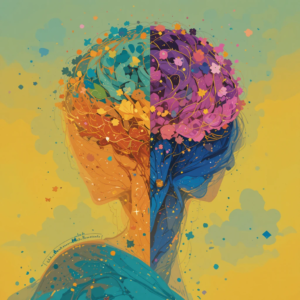
Yes, drug addiction is considered a chronic brain disease that alters brain function. It affects the reward system, making it difficult for individuals to resist drug use despite knowing the consequences.
Drug Addiction Types
Drug addiction varies based on the type of substance used:
Opioid Addiction: Includes heroin, prescription painkillers
Stimulant Addiction: Cocaine, methamphetamine
Depressant Addiction: Alcohol, benzodiazepines
Hallucinogen Addiction: LSD, PCP
Marijuana Addiction: Dependence on cannabis use
Treatment of Drug Addiction
Effective treatment approaches include:
Detoxification: Supervised withdrawal to manage symptoms
Behavioral Therapy: Cognitive Behavioral Therapy (CBT), contingency management
Medication-Assisted Treatment (MAT): Medications like methadone, buprenorphine for opioid addiction
Support Groups: 12-step programs like Narcotics Anonymous (NA)
How to Recover from Drug Addiction
Recovery is a lifelong process that involves:
Developing healthy coping mechanisms
Avoiding triggers and high-risk situations
Building a strong support system
Engaging in therapy and counseling
Maintaining a balanced and structured lifestyle
How to Help Someone Who Is Drug Addicted
If you know someone struggling with drug addiction, you can:
Encourage them to seek professional help
Avoid enabling their substance use
Offer emotional support and understanding
Educate yourself about addiction and recovery
Assist them in finding support groups or rehab programs
Final Thoughts:
Drug addiction is a complex but treatable condition. Early intervention and comprehensive treatment can significantly improve the chances of recovery. If you or someone you know is struggling with addiction, reach out to a healthcare professional for guidance and support.